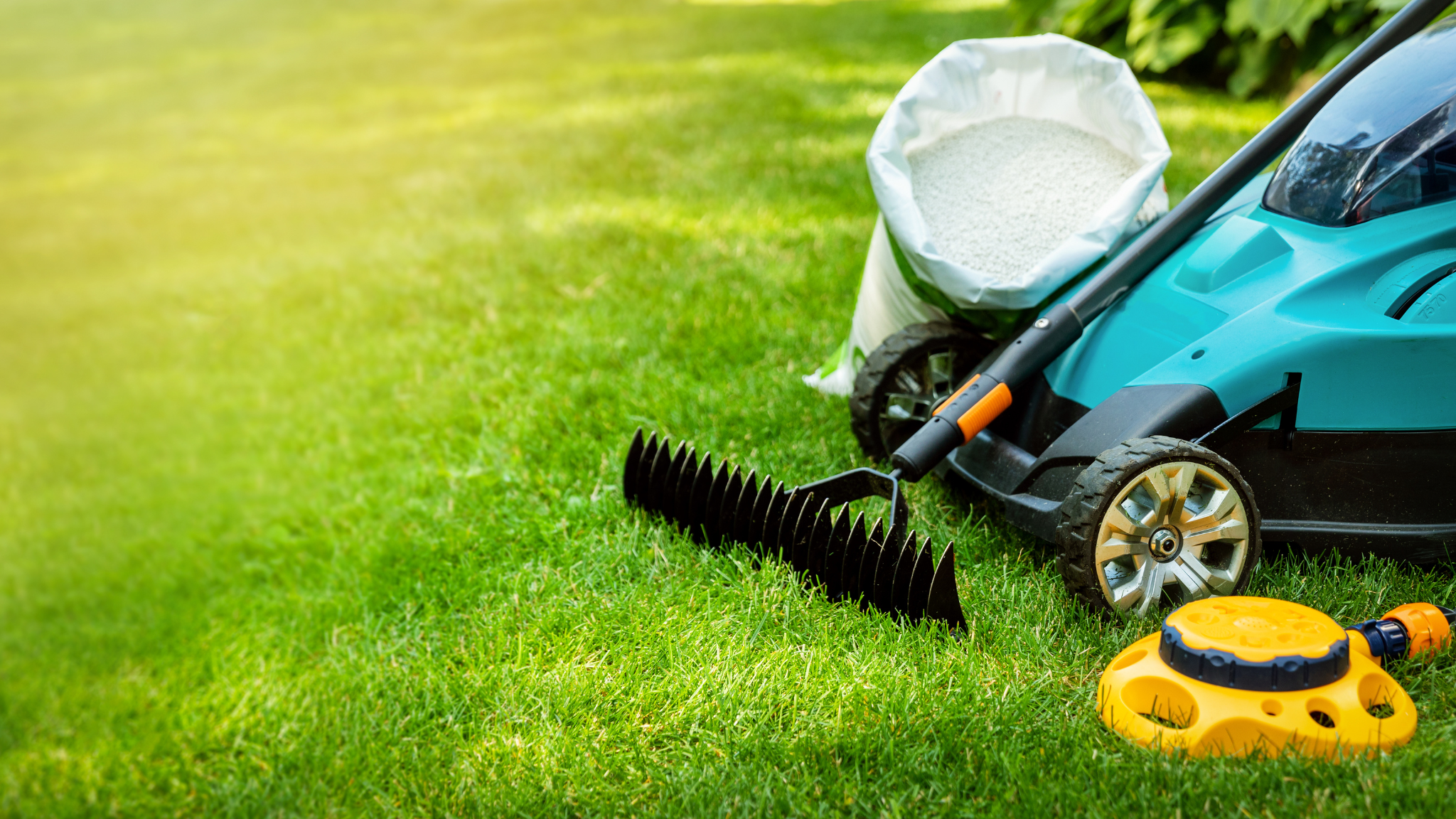
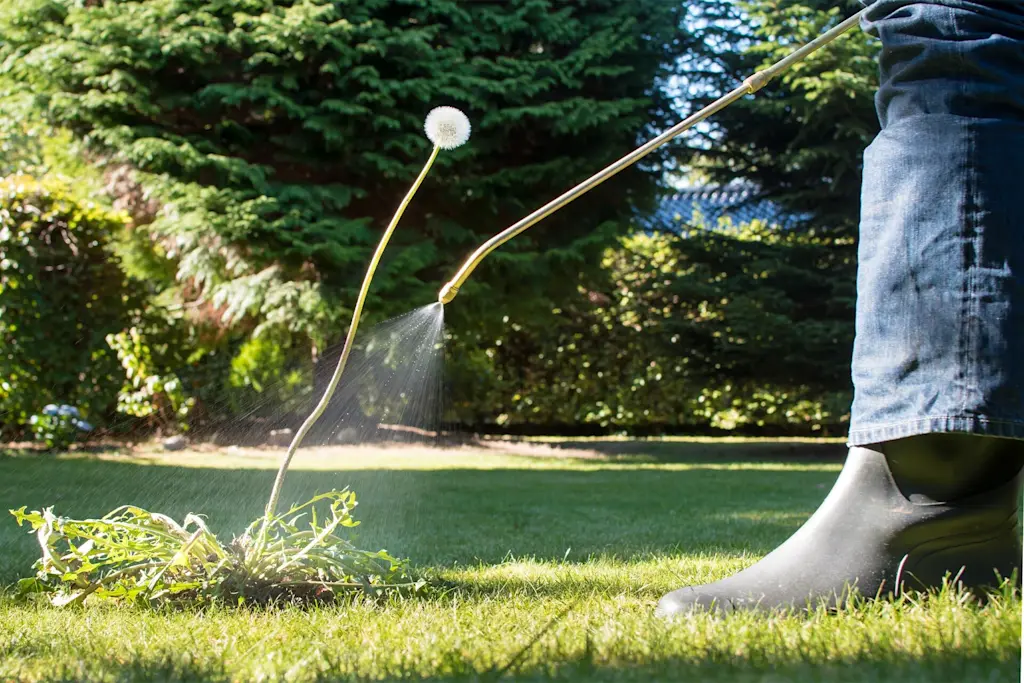
A lawn needs more than a weekly mow. It needs care that shifts with the seasons. That’s the purpose behind lawn care treatment: fertilization, weed control, insect management, soil improvement, all working toward the same goal at different points in the year. A dependable lawn treatment guide gives homeowners a rough sense of what to expect and when, so roots grow stronger and grass fills in more evenly over time. Lawns on a planned schedule generally handle weather changes and daily wear better than ones left to fend for themselves.
Why Grass Needs Year-Round Care
Grass responds to almost everything happening around it. Temperature. Rainfall. Soil condition. Sunlight. Foot traffic. Each one shifts how well a lawn grows from week to week. Mowing keeps things looking neat on top, but it does little for what’s happening below the surface, where the real work of a healthy lawn takes place.
A full treatment program takes the opposite approach, starting at the roots instead of the surface. Over time, this builds denser turf that holds up better under everyday pressure. There’s also a timing benefit. Catching a problem early usually means a smaller fix, while waiting until it’s visible often means more work later.
Homeowners who’d rather not guess at treatment timing each season tend to find that professional guidance takes the uncertainty out of it, replacing trial and error with a plan suited to their actual property.
What Does a Lawn Treatment Program Include?
Every yard is a little different. A good treatment plan reflects that, shaped around soil type, grass variety, local weather, and how the lawn is currently doing.
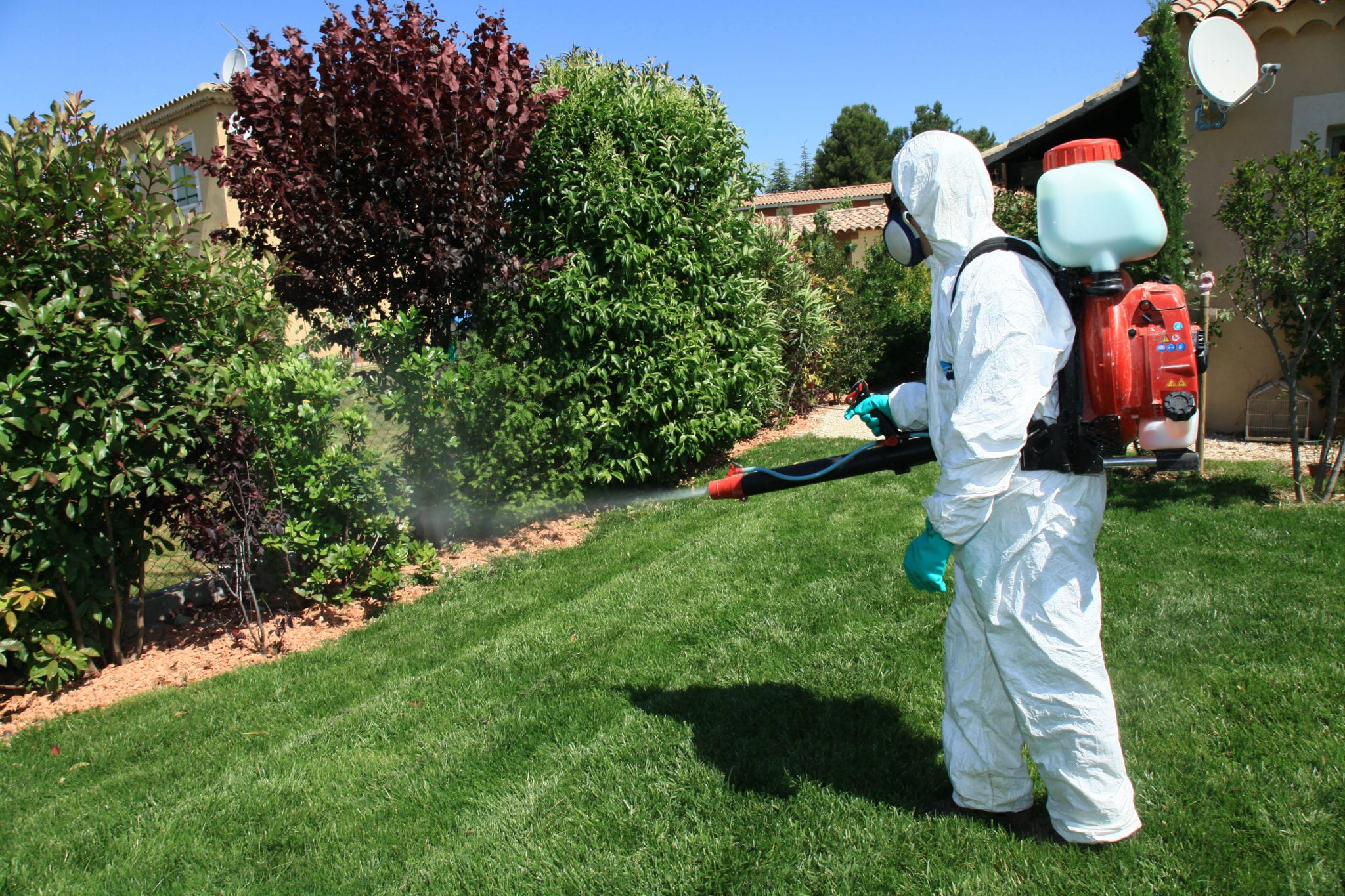
Depending on those factors, lawn treatment services may include:
- Lawn fertilization to supply essential nutrients
- Weed control for common broadleaf and grassy weeds
- Seasonal applications adjusted to changing lawn needs
- Grub and insect monitoring where conditions call for it
- Disease prevention based on the lawn’s condition
- Aeration and overseeding to support stronger root development
Most lawns need a mix of these rather than just one. A single treatment rarely covers everything a yard is dealing with at once.
Spring: Building a Strong Foundation
Spring is when grass wakes up from winter dormancy. What happens during this window tends to shape how the rest of the year goes.
This is usually when lawn fertilization services matter most, supporting new growth and helping color return after a long winter. Weed control early in the season also helps, mainly by cutting down on competition for water, light, and nutrients right when new grass needs them.
Some lawns benefit from preventative treatment aimed at crabgrass or certain insects, though that depends on local conditions and history. Since no two properties behave the same way, the right call usually comes down to how the lawn looks right now rather than a fixed calendar everyone follows. Get spring right, and the rest of the year tends to be more manageable.
Summer: Helping Lawns Manage Seasonal Stress
Summer tests a lawn differently than spring does. Heat, uneven rainfall, more foot traffic, and long stretches of direct sun all add up.
Seasonal lawn treatment during these months shifts toward reducing stress rather than pushing growth. Fertilization is often scaled back or adjusted depending on heat and rainfall. Monitoring continues too, since weeds, insects, and disease tend to become more active once temperatures climb.
Watering matters just as much here. Deep, infrequent watering tends to build stronger roots than frequent light watering does. Paired with the right treatment schedule, this combination can help a lawn get through the hottest part of the year in better shape. Providers who adjust their approach as summer unfolds, rather than sticking to a fixed routine regardless of weather, tend to get better results.
Fall: Preparing for Long-Term Lawn Health
Fall doesn’t get talked about as much as spring, but it’s arguably just as important. Cooler air and steadier soil moisture create conditions many cool-season grasses respond well to.
Root systems are the main focus here, since fall treatment is largely about preparing the lawn for winter. Lawn fertilization services still apply, supplying nutrients the lawn will draw on through its dormant stretch.
For lawns showing thinning grass or compacted soil, core aeration paired with overseeding is often worth considering. Aeration opens the soil so air, water, and nutrients reach the roots more directly. Overseeding then fills in bare or thin patches over time. Handling this work in fall tends to pay off once growth picks back up in spring.
Winter: Planning for the Next Growing Season
Growth slows way down in winter. Lawn care itself doesn’t stop, though—it just changes shape. Winter is a reasonable time to look back at how the lawn performed and think ahead to what it might need once things warm up again.
Clearing leaves, branches, and other debris matters too, since buildup left sitting on dormant grass can cause its own problems. Keeping foot traffic light on dormant lawns also helps avoid damage that’s harder to notice until spring.
Homeowners who stay connected to a provider offering professional lawn care treatments throughout the year tend to head into the next season with a plan already in place, instead of starting over each spring.
Signs Your Lawn May Benefit From Professional Care
Lawn problems rarely show up all at once. Most build slowly, which makes them easy to miss until they’re fairly obvious. Catching early signs can make addressing them a lot simpler.
Some worth watching for:
- Thin or patchy grass
- Weeds spreading faster than usual
- Yellowing or uneven color
- Bare spots that don’t recover on their own
- More insect activity than expected
- Slow growth despite regular watering
None of these point to just one cause. A professional evaluation can help narrow down what’s actually going on and suggest treatment that fits the lawn’s real needs, rather than applying something that may not be necessary.
Request a Customized Lawn Treatment Plan
Why Customized Lawn Care Makes a Difference
Growing conditions vary a lot from one property to the next. Soil composition, drainage, shade, sun exposure, grass type—all of it shapes how a lawn responds to treatment. That’s a big reason generic schedules often fall short.
Customized lawn care treatment services tend to hold up better over time because they start with the property itself, not a standard list of products applied everywhere. At Sunlight Water & Us, treatment programs are built around each property’s specific conditions. The team focuses on clear recommendations and making sure homeowners understand what each step actually involves. That kind of transparency makes it easier for customers to feel confident in the decisions they’re making.
Whether the priority is ongoing weed management, seasonal fertilization, or extra support for stronger growth, working with experienced professionals offers some reassurance that treatment choices are made with the lawn’s long-term condition in mind.
A dependable lawn treatment guide also gives homeowners a clearer picture of what to expect each season. Over time, that turns lawn care into something more manageable and a lot less like guesswork.
Conclusion
Healthy grass comes from consistent care, not any single fix. A seasonal approach built around fertilization, weed management, soil improvement, and regular monitoring helps lawns hold up well across the year. Professional guidance also makes it easier to respond to changing conditions without applying treatment that isn’t actually needed.
For homeowners looking for that kind of support, sunlight water & Us offers customized lawn care programs built around each property’s individual needs. Their team works directly with homeowners to build treatment plans that support healthy, attractive lawns in every season. With consistent attention, Sunlight Water & Us helps homeowners maintain a lawn they can count on year-round.
Frequently Asked Questions
1. How often should a lawn receive professional treatments?
This depends on grass type, local climate, and the lawn’s current condition. Many treatment programs include several visits spread across the growing season to keep up with changing needs.
2. Are lawn fertilization services necessary every year?
Most lawns benefit from regular fertilization, since grass continuously draws nutrients from the soil. A professional evaluation can help determine an appropriate schedule based on the lawn’s health and growing conditions.
3. What is included in seasonal lawn treatment?
Seasonal lawn treatment can include fertilization, weed control, insect monitoring, and disease management, adjusted based on current weather and how the lawn is doing at that point in time. Specific services vary by property.
4. Can professional lawn care treatments help reduce weeds?
Professional lawn care treatments typically include weed management as part of a broader care program. Dense, healthy grass can also make it harder for weeds to take hold in the first place.
5. Why should I choose Sunlight Water & Us for lawn care?
Sunlight Water & Us evaluates each property’s specific conditions before recommending any treatment. Their focus on clear communication and long-term lawn health helps homeowners stay informed about the care their landscape is receiving.