A healthy lawn is only possible with healthy soil, and if you wonder when to aerate your lawn, it depends entirely upon your type of grass and the season. Most homeowners see the best results with their lawns if they aerate during the active season when the grass is growing fast and strong.
A good lawn core aeration service will help your soil remain healthy and allow your grass to have plenty of space to flourish. At Sunlight Water & Us, we ensure every job we do is eco-friendly and reliable, and we strive to make your lawn as green as ever in New Jersey.
Why Do You Need to Aerate Your Lawn?
Many lawns face the problem of compaction. It is a process of removing the air pockets in the soil due to walking on it, using lawnmowers, rainwater, and other natural processes.
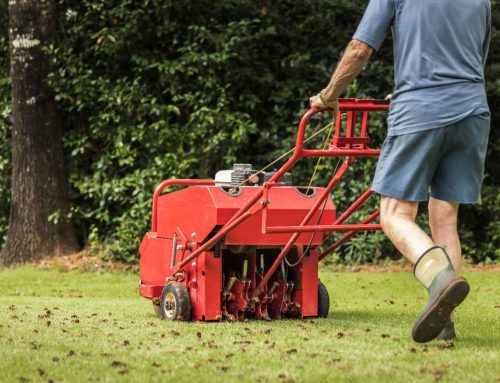
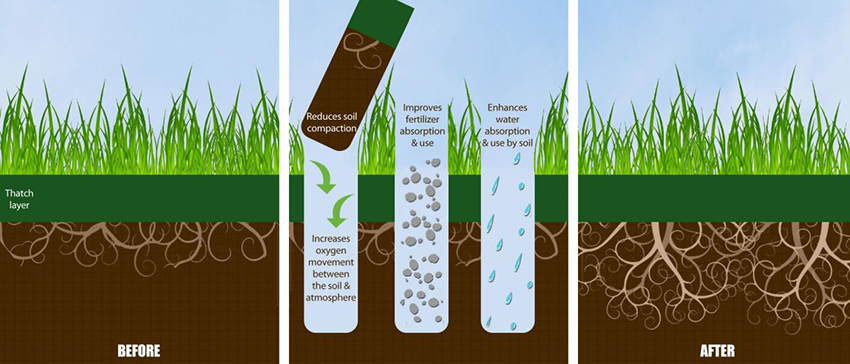
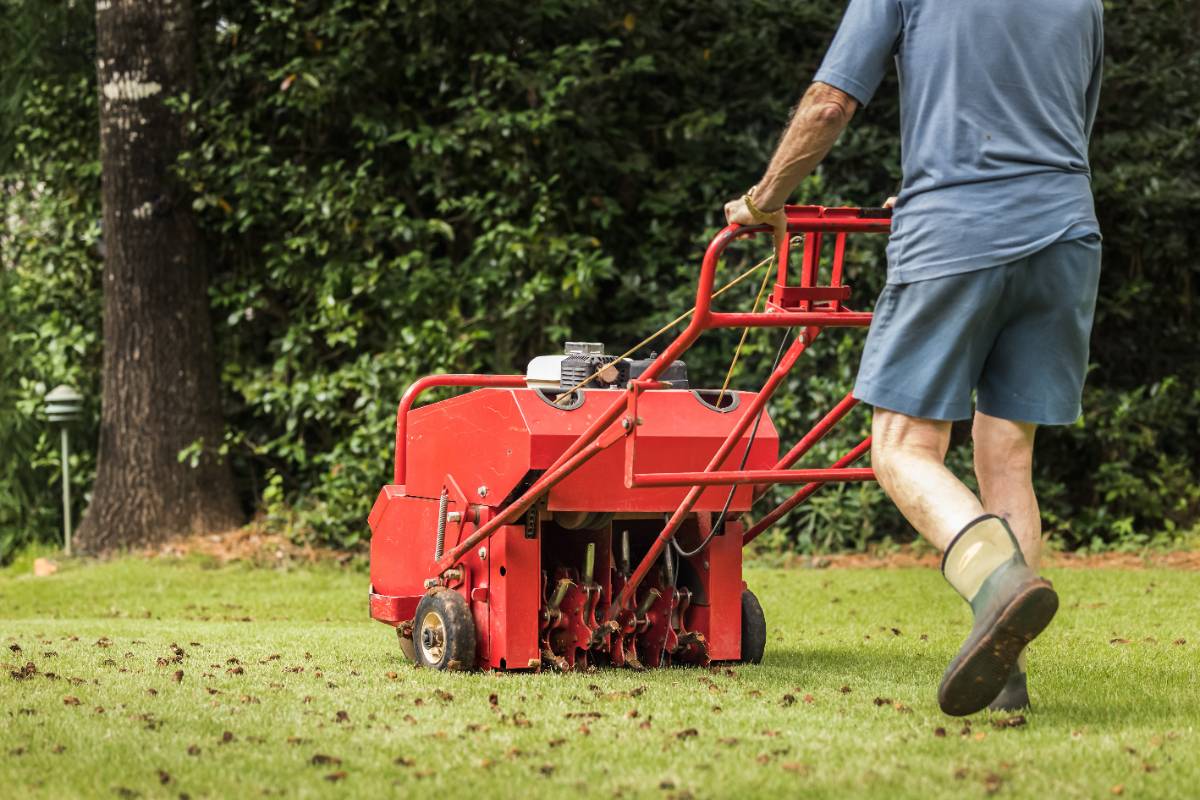
The grass thins, loses color, and becomes weak because the soil does not allow oxygen, water, and nutrients to enter the soil. In this case, core aeration services play an important role, as they consist of extracting soil plugs instead of creating holes.
Here are some of the most frequent symptoms indicating that you need a core aeration service:
- Water pools after a rain.
- Thinning or patchy grass.
- Hard soil when touched.
- High thatch layer.
- More weeds growing even if you maintain your lawn regularly.
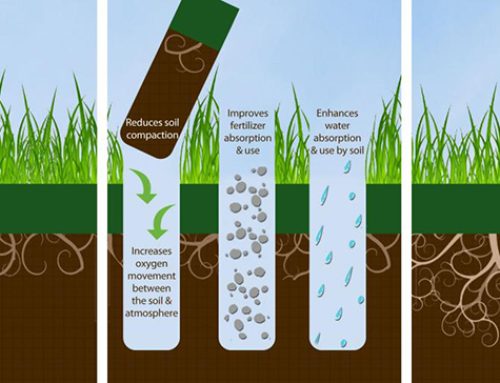
These advantages are among the most significant core aeration benefits.
What Is the Best Time for Lawn Aeration?
This really comes down to the species of grass you have growing in your yard. Performing lawn aeration during periods of growth helps your grass repair more quickly and fill in any bare spots on its own.
For cool-season grasses, the best times to aerate include:
- Early fall
- Late summer
- Early spring, if necessary
Warm-season grasses, however, do better if they are aerated during:
- Late spring
- Early summer
- Growing season when grass has fully greened up
If you are curious about when to aerate lawn, then you should keep in mind that the last thing you want to do is aerate during periods of hot weather or drought conditions. Also, make sure the soil is moist enough before performing lawn aeration treatments.
Should You Hire a Professional or Aerate Your Lawn Yourself?
Lawn aerating tools are available to rent; however, uniform aeration requires a certain level of experience. Missing spots or overlapping will decrease the efficiency of the procedure. An aeration team knows at what depth the plugs should be made, how much area needs to be covered, and if there is a need for subsequent seeding or fertilizing.
Many homeowners combine this with a professional lawn aeration service, which also involves seasonal lawn treatment so that you have healthier growth all year long rather than addressing each problem separately. If you plan to improve your lawn in other ways, think about performing a lawn aeration service before overseeding because it allows for better seed-soil contact.
A few tips on what you can do after aeration:
- Water the lawn for several days after aeration.
- Let the soil plugs dry out and dissolve on the surface.
- Try to avoid stepping on the lawn.
- Fertilize and overseed if required.
- Continue cutting the lawn regularly.
Weather Conditions Affecting Aeration Results
Indeed, the effect of weather is more substantial than most homeowners think. If you aerate the lawn at a time when there is sufficient moisture in the soil, then it will be easy for the machine to pull out clean plugs without damaging the turf. However, dry soil might make the whole process difficult, while wet soil might compact back due to excess water.
After light rain falls within a few days, conditions are perfect for aeration. If the weather is still dry, watering the lawn on the day before you do the aeration could ensure the lawn is moist enough. Planning for the weather forecast will help you give your lawn the best shot at recovery.
Things to Avoid After Aerating the Lawn
Aeration opens up thousands of holes, through which air, water, and nutrients can penetrate into the root system. Nevertheless, your actions after aeration will have a direct influence on how fast your lawn will recover. Taking care of it during that period can help you to achieve the best long-term results possible.
It is not recommended to clean the soil plugs right away since they usually decompose on their own within one or two weeks and bring the organic material back to the lawn. You should also try to avoid heavy traffic until the lawn recovers.
How to protect your lawn after aeration:
- Do not remove the soil plugs from your lawn.
- Water the lawn without overdoing it.
- Avoid any heavy activity outside for several days.
- Apply stress to the grass only when it grows actively.
Provide Your Lawn with the Best Possible Basis for Growth
A healthy lawn starts beneath the soil. Through aeration, the lawn gets the optimal environment for stronger root growth, increased nutrient intake, and recovery from daily stresses.
Sunlight Water & Us offers reliable lawn maintenance services, employing eco-friendly methods, qualified personnel, and treatments tailored to your lawn’s unique demands, not blanket treatments.
Are you ready to create a healthier base for your lawn? Reach out to us now and get an inspection done.
FAQs:
How frequently should a lawn be aerated?
The majority of lawns that are healthy will need to be aerated once per year. If a lawn is on clay soil or receives lots of traffic, then it will need to be aerated more than this to prevent compaction. A soil analysis can be done to establish how often your lawn needs aeration.
Should I wait for it to stop raining before aerating my lawn?
Waiting for the soil to dry out slightly will ensure that it is easier to collect the plugs and avoid damaging the lawn. The soil needs to be moist rather than soaking wet to complete the job effectively.
Do I need to overseed my lawn after aeration?
This is not essential, but you can improve germination rates by overseeding the lawn after aeration.
What is the waiting period for seeing effects from aeration?
The improvement in growth is seen by many people within just a few weeks in the growing season. However, root formation improves continuously under the ground. The answer will depend on the grass variety, climate, and routine maintenance of the lawn.
Is it appropriate to aerate new lawns?
It is recommended to aerate lawns that have been laid only after one growing season has passed, as the grass needs to develop its root structure properly.