
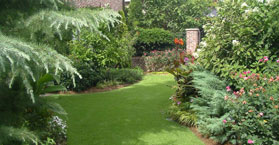
This is how the task of advanced tree and shrub care starts: by ensuring the good health of the plants via scientific methods before problems arise. The core of successful landscaping involves diagnosing problems at an early stage.
This is why continuous tree and shrub maintenance has turned into the norm for people interested in having an attractive and healthy property. Sunlight Water & Us has been helping homeowners in the Lehigh Valley and New Jersey achieve their goals for many years now. Custom plant health programs from us make advanced care easy.
Why Do Trees and Shrubs Need a Seasonal Health Program?
Ornamental trees and shrubs experience stress under various conditions during the course of a year, ranging from winter stress to pest stress in the summer season. Tree care services account for these changing stresses instead of applying a one-size-fits-all approach to trees.
Regular tree and shrub care will help protect your investment in your landscape. Strength, density, and root structure will be improved in the process.
A well-rounded seasonal program typically includes:
- Spring fertilization to support new growth and fast winter recovery
- Fall fertilization to strengthen root systems before dormancy
- Systemic insecticide treatments applied through soil injection
- Anti-desiccant applications to protect evergreens from winter burn
What Advanced Techniques Keep Landscapes Pest- and Disease-Free?
Modern tree and shrub maintenance leans heavily on integrated pest management, a strategy that blends monitoring, targeted treatment, and prevention. Technicians inspect properties throughout the growing season instead of waiting for visible damage.
Disease prevention works the same way. Preventative fungicide applications, timed around weather and plant vulnerability, stop fungal issues like anthracnose or powdery mildew before they spread across a landscape bed.
Inspections that are constantly carried out generally look out for:
- Lace bugs, aphids, and mites
- Bagworms and leaf miners
- Scale insects and Japanese beetles
- Spotted Lanternfly behavior
- Fungal issues like leaf spot, needle cast, and scab
How Do Local Climate and Soil Conditions Affect Plant Health in NJ?
The climate conditions in New Jersey, along with soil characteristics with high levels of clay in it, make a unique challenge for ornamental planting. Proper tree and shrub care in NJ should take into account specific features of this region, rather than general instructions for all of America.
It is important to have local experience in this case because tree care services in NJ that know regional pest pressure, such as migration patterns of spotted lanternflies, can act before infestation becomes serious.
Watch for these warning signs between routine visits:
- Yellowing or spotted leaves that spread quickly
- Sticky residue or sooty mold on foliage
- Thinning canopy or dieback on branch tips
- Slow, weak growth despite adequate watering
Timing Treatments Around Your Region’s Growing Season
Plants can be cured of their ailments successfully only if the treatments occur at appropriate times. If you apply a solution for insects at inappropriate times during the year, you will miss out on killing those pests in their most vulnerable state. The correct timing involves taking into account the phases of plants’ life cycles.
This is why experienced technicians rely on growing degree days and visual plant cues instead of guessing. Fertilizer applied at the wrong time can push weak, late-season growth that struggles to survive winter, while a fungicide applied after disease symptoms appear is far less effective than one applied preventively. Getting the timing right, season after season, is often the difference between a landscape that merely survives and one that visibly thrives.
Why Professional Inspections Outperform DIY Guesswork
Many property owners try to manage plant problems reactively, treating a tree or shrub only after it already looks unhealthy. By that point, an infestation or disease has often spread further than it appears on the surface, making recovery slower and more expensive. Routine professional inspections catch these issues while they’re still small and manageable.
A professional technician is trained in identifying early signs of injury, including spotting foliage, the presence of webs below the branches, or even discoloration of parts of a plant that a property owner may not detect at all. Such individuals can differentiate between environmental causes of stress, such as drought or soil compaction, and a need for a pest or disease treatment. This knowledge is important, since addressing the wrong cause wastes valuable time when there could be more serious problems present.
The Long-Term Value of Investing in Plant Health Care
Healthy, well-maintained trees and shrubs do more than improve curb appeal; they directly affect the resale value of a property. Real estate research has consistently shown that mature, well-cared-for landscaping can boost a home’s perceived value, since buyers often view an established landscape as something that would take years and high cost to recreate from scratch. A single mature shade tree or a healthy row of ornamental shrubs signals to buyers that the property has been looked after.
Beyond resale value, consistent plant health care is simply more cost-effective than replacement. Removing a dead or dying tree, then purchasing and installing a mature replacement, often costs far more than years of preventive treatment would have. Diseased or pest-damaged shrubs can also spread problems to neighboring plants, turning a small, treatable issue into a much larger and more expensive one. Viewed this way, ongoing plant health care isn’t an added expense; it’s a way to protect an investment that took years to establish and would take just as long to replace.
Building a Resilient Landscape That Lasts
Perfection in landscapes is not a one-off event; it is achieved through consistent monitoring, proper management, and planning based on the seasons. Complex approaches can only be effective if applied within a comprehensive approach, as opposed to just one visit.
Sunlight Water & Us has spent decades helping properties across the Lehigh Valley and New Jersey stay healthy through every season, backed by honest recommendations and no pressure to over-treat. Their team builds a plan around what your landscape actually needs, not a generic package.
Ready to give your trees and shrubs the attention they deserve? Request a free estimate from us today and start building a landscape built to last.
FAQs:
Is there any service for pruning or removal of stumps within the professional services?
Not normally, because fertilizer and healthcare providers normally concentrate on fertilizing, preventing diseases and insects, while recommending a landscaping contractor for pruning or stump removal. This is done in order to assign each task to the right professional.
How many times does the process of fertilization have to be repeated a year?
Two times a year is optimal for healthy ornamentals: once in spring in order to promote growth, and another time in fall in order to enhance roots.
What makes spotted lanternfly control different from typical pest treatment?
Spotted lanternflies migrate in waves and often return to the same host trees, so a single treatment rarely solves the problem. Monitoring during different seasons and repeat visits are often necessary to control the population.
Are anti-desiccants beneficial in safeguarding evergreen trees from damage due to winter?
Yes, since anti-desiccants make a protective layer on the leaves of plants that helps them to retain water in cold and windy weather and prevents leaf browning and winter burn of evergreens.
Why is there a need for special plant treatment strategies in New Jersey gardens due to the climate and geography?
This is because of the clay-like soil type and humid summers of New Jersey, with rapid freeze-thaw conditions, unlike other places.
