Protect your trees and plants by acting early, targeting every life stage, and checking again all season. A solid spotted lanternfly treatment plan stops sap-sucking damage before it weakens your yard.
At Sunlight Water & Us, we provide professional spotted lanternfly treatment across Pennsylvania and New Jersey. Our family-owned team gives honest advice and free, no-obligation estimates. We’ve also won the Angie’s List Super Service Award four years running, from 2014 through 2017. Here’s what to watch for and what to do next.
What Damage Can Lanternflies Do to Your Trees and Plants?
The Spotted Lanternfly was introduced to Berks County, Pennsylvania, in 2014 and has been spreading quickly since then. These lanternflies pierce the bark and leaves of plants and suck the sap from them. Spotted Lanternfly control can be done by recognizing its symptoms.
Watch for these red flags:
- Sticky honeydew on leaves, decks, and patio furniture
- Black sooty mold on branches and foliage
- Weeping, wet-looking spots on tree trunks
- Gray, mud-like egg masses on bark, stones, and outdoor gear
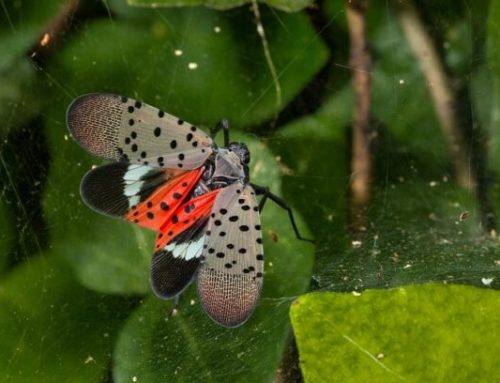
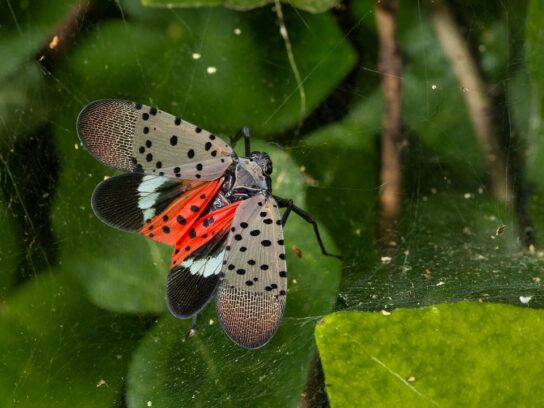
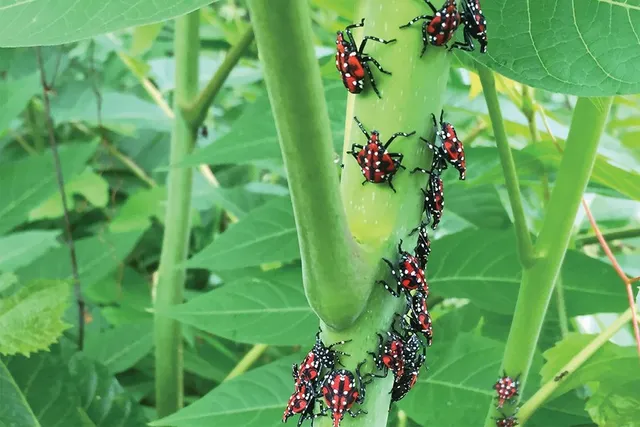
- Clusters of black-and-white nymphs or red-winged adults
Left alone, honeydew feeds mold that blocks sunlight and slows growth. Stressed trees also struggle more against other pests and disease. A timely spotted lanternfly treatment protects your plants before that damage piles up.
Protect Your Trees and Plants From Lanternflies
Start small and stay consistent. Spotted lanternfly treatment for trees works best when hands-on removal and targeted applications work together.
- Scrape egg masses off bark, stones, and outdoor items, then drop them in rubbing alcohol.
- Remove tree of heaven from your property, since lanternflies love it.
- Squash nymphs and adults on sight during summer.
- Check vehicles and gear before you leave an infested area.
- Water trees during dry spells so they tolerate feeding better.
- Skip sticky tree bands, which also trap birds and helpful insects.
Home efforts shrink the population, but they rarely clear a heavy infestation. Layering spotted lanternfly pest control on top of them gives your plants far better odds.
When Should You Call a Pro for Lanternfly Help?
Call early if you see heavy numbers, tall trees you can’t reach, or prized ornamentals at risk. Choosing professional spotted lanternfly treatment saves you time and guesswork.
Here’s how timing usually breaks down:
- Early spring: treat egg masses before they hatch.
- Late spring and summer: catch young nymphs while they’re still small.
- Late summer: hit adults during peak activity.
- Any season: call when infestations return year after year.
Local expertise also counts, and a firm that is knowledgeable about the management of Spotted Lanternfly control in Pennsylvania understands when to act and how the pests behave. Make sure the team you hire is licensed, certified, and insured.
What Does the Spotted Lanternfly Life Cycle Look Like?
It all starts with eggs, as females lay masses of 30 to 50 eggs in the fall, and those masses sit quietly through winter until spring warms things up.
Nymphs hatch in spring and grow through four stages. They start black with white spots, then turn red before they become adults. Adults show up by midsummer with gray, spotted wings and red underwings, and they keep feeding until the first hard frost.
How Do Lanternflies Spread to New Properties?
They don’t travel far on their own. Adults hop and fly short distances, but people move them much farther without realizing it.
Females lay eggs on almost any flat surface, including vehicles, trailers, pallets, firewood, and stone. Those egg masses ride along to new neighborhoods and hatch the following spring. Give your car, gear, and outdoor items a quick check before you leave home or after you visit an infested area.
How Can You Prevent Lanternflies After Treatment?
Treatment is not a one-off process, as new adults can still arrive from adjacent properties, making it important to develop some regular practices that make your property unattractive to them.
Make an inspection of your trees at least once per month during the spring, summer, and fall seasons. Inspect the trunks, undersides of the branches, and where you scraped the egg masses, including posts, stone walls, and decks. Take care of your trees by giving them deep water, fresh mulch, and removing any dead wood. Strong trees are more resistant to feeding than stressed trees.
Protect Your Property Before Lanternflies Settle In
Lanternflies won’t leave on their own, so waiting only costs you. Scrape egg masses, remove host trees, and bring in help when numbers climb. Steady effort from spring through fall keeps your trees and plants healthy.
Sunlight Water & Us is a family-owned lawn care company that treats every yard like its own. We give free, no-obligation estimates and don’t require written contracts. Our team serves homeowners and businesses across the Lehigh Valley and much of New Jersey.
Ready to take back your yard? Call or visit us to request your free estimate today.
FAQs:
What do lanternfly egg masses look like, and when should I scrape them?
They look like gray, mud-like smears about an inch long, and you’ll find them on bark, stones, and outdoor items. Scrape them off in winter or early spring, before they hatch. Drop them into rubbing alcohol so they can’t survive.
Which plants do lanternflies attack most often?
Tree of heaven is their favorite, but they also feed on maple, black walnut, willow, and grapevines. Fruit trees and ornamental shrubs can take hits too, so check these first during your inspections.
Does sooty mold kill my plants?
Sooty mold grows on lanternfly honeydew, not on the plant itself. It coats leaves and blocks sunlight, though, which slows growth and weakens stressed plants over time.
Are professional applications safe for the rest of my yard?
Licensed pros apply products carefully and aim them at problem trees and shrubs, so your lawn and other plantings stay protected. Ask your provider about the products they use and any re-entry guidance.
Will lanternflies come back after I clear my yard?
They can, as adults hitchhike on vehicles and fly in from neighboring properties, so one cleanup rarely ends the problem. Regular inspections through summer and fall help you catch newcomers early.