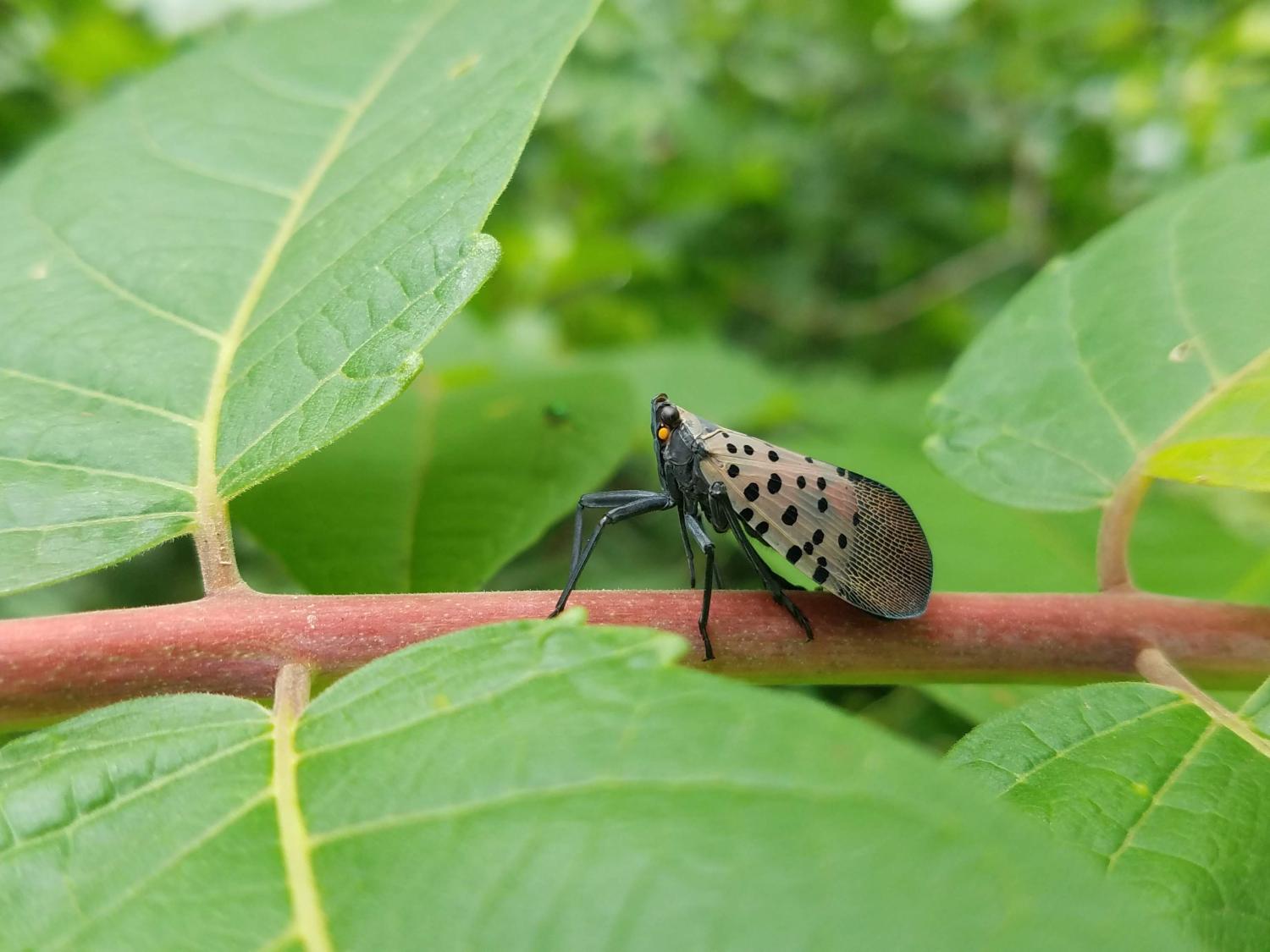
The Spotted Lanternfly feeds on tree bark by sucking out the sap, which makes the internal structure of the tree weaker. In recent times, these invasive species have spread quickly throughout the Northeast region. Landowners are now experiencing the consequences of the damage done by these species. The spotted lanternfly damage stunts the growth of trees and even causes the death of young trees that are already under stress.
This is why the importance of spotted lanternfly control is just as important as recognizing its symptoms. Our Lehigh Valley and New Jersey team at Sunlight Water & Us has more than 30 years of experience in protecting trees and shrubs from such pests.
Spotted Lanternflies’ Feeding Habits on Trees
This pest inserts its needle-shaped mouthpart into the tree’s bark and taps right into the tree’s phloem, which is responsible for transporting nutrients in the tree. While one lanternfly does not cause any damage, they come in large numbers, and many feeding spots per tree can result in great damage to a tree within a single growing season.
While feeding, this pest releases a sugary waste product, known as honeydew, onto tree bark, leaves, and soil around the tree. Honeydew makes a favorable environment for developing a black sooty mold, which prevents sunlight from penetrating leaves’ surfaces. If sooty mold starts to prevent the photosynthesis process, professional spotted lanternfly control is needed.
How Do You Recognize If Your Trees Have Been Damaged by Spotted Lanternfly?
When detected early, treating spotted lanternflies can be very easy. Usually, trees give off clear indications that there are spotted lanternflies in the area. When homeowners conduct regular inspections of their properties during late summer and fall, chances of noticing the problem before a tree is heavily affected increase significantly.
The indicators to watch out for include:
- Weeping or oozing sap from the trunk of the tree, usually seen as wet, dark spots.
- Black sooty film on tree leaves, bark, or patio furniture in the area.
- Wilting tree leaves, curling of foliage, or dying branches of otherwise healthy trees.
- Egg masses on tree trunks, fence lines, or outdoor furniture, appearing grayish and brown like dried mud.
- Swarming of spotted lanternflies at dusk in late summer.
What Trees and Plants Are Most Vulnerable to Spotted Lanternflies?
Spotted lanternflies have a special fondness for Tree of Heaven, which is an invasive species, but also a favored host plant. That being said, they do not limit themselves to that alone. With growing numbers of populations, the insects shift towards a variety of trees, vines, and ornamentals present in ordinary yards.
One of the worst affected states in America is New Jersey, where vineyards, hardwood trees, and even backyard plants have seen high numbers of the pests in recent times. It goes without saying that if you’re suffering from spotted lanternfly in NJ, your problem will multiply at an unbelievable pace.
Some of the most common plants affected by the pest include:
- Grapevines and fruit trees such as apples and peaches
- Maple, willow, and black walnut trees
- River birch and other trees with thin bark
- Flowering shrubs such as roses
- Tree of Heaven, which is a primary breeding host
Lanternfly Protection: Preventive and Treatment Actions
Effective spotted lanternfly prevention involves removing the factors that will attract these insects, and it should be done consistently as opposed to only once.
Here are some actions that can help you protect your property:
- Eliminate or treat Tree of Heaven on your property, as it attracts the insects.
- Use sticky bands or trunk traps on high-risk trees during the prime period.
- Remove and get rid of the egg masses in trees, fences, or other structures outside your property.
- Get a spotted lanternfly treatment before the insect population builds up.
- Inspect high-risk trees weekly from late summer to early fall.
How Long-Term Infestation Impacts Tree Health and Property Value
While one feeding period alone may not kill the tree, spotted lanternflies tend to keep coming back to the same locations each year because they have found a steady food supply there. Every new feeding period adds up, making the tree weaker and less able to grow, increasing its vulnerability to disease, dehydration, and cold weather.
From the point of view of the property, the area covered in honeydew, mold, and insects is not something that would make you want to relax there. The appearance of the trees suffering from infestation or patios covered in residue would be the first thing noticed by anyone, including your neighbors or possible buyers of the property.
When to Bring In a Professional Instead of DIY
Adhesive bands, egg scraping, and physical removal are effective methods of dealing with light infestation or early signs of infestation, but serious problems often require more than just home remedies. As soon as lanternflies become widespread on several trees, homeowners often find themselves replacing their traps every week without any improvements.
An experienced pest control technician can determine what trees are most susceptible, will be able to apply a treatment during the correct phase of the insect’s life cycle, and will be able to monitor the premises all season long as opposed to merely responding to infestations.
Protecting Your Landscape During Every Lanternfly Season
Spotted lanternflies are not only annoying but also create significant stress for the trees and plants that beautify your property. Detecting the problem early enough will greatly increase the chances of your landscape remaining healthy for years to come.
This is precisely what Sunlight Water & Us was designed for. We have been in business for decades now and have helped numerous customers throughout the Lehigh Valley and New Jersey maintain their trees, shrubs, and landscape beds free of pests and diseases through honest advice and contract-free services.
If you are seeing lanternflies at your place, do not hesitate any further and contact us right away to arrange an inspection and plan treatments focused on your trees.
FAQs:
Can the tree heal after an infestation by spotted lanternflies?
Most trees do manage to recover from this problem as long as the infestation is stopped and care for the tree is appropriate, depending on how long the infestation lasted and how healthy the tree was to begin with. Young or unhealthy trees tend to find it difficult to recover from the damage done.
Do spotted lanternflies kill trees directly?
Spotted lanternflies rarely kill trees by themselves; their bites cause a tree to become more vulnerable to other diseases, droughts, and insects. In addition, the sooty mold covering prevents the tree from getting enough sunlight; together, they might eventually result in tree death.
Why do spotted lanternflies congregate on the Tree of Heaven?
The Tree of Heaven has some special compounds that are desirable to spotted lanternflies, making it the species’ main host. Getting rid of this tree from your property usually lowers the number of lanternflies in the area.
Does the sticky substance left behind by the lanternfly cause any harm to pets or humans?
The sticky substance itself is not poisonous; however, it tends to attract a fungus called sooty mold that can be quite messy and sometimes even irritate you if you come into contact with it often.
How long does the spotted lanternfly remain active?
The adult spotted lanternfly usually becomes active between mid-summer and the first fall frost, while egg masses remain alive during winter months on trees or outdoor objects.