The best way to beat lanternflies in 2026 is to scrape eggs, treat nymphs, and protect trees. Timing matters more than any single product, so match each action to the insect’s life stage. This guide to spotted lanternfly treatment and control explains what actually works in real yards.
Sunlight Water & Us is a family-owned lawn care company helping homeowners put these steps into action. Our licensed team handles the hardest parts, so your trees stay healthy all season.
Why Do Lanternflies Keep Returning to the Same Trees?
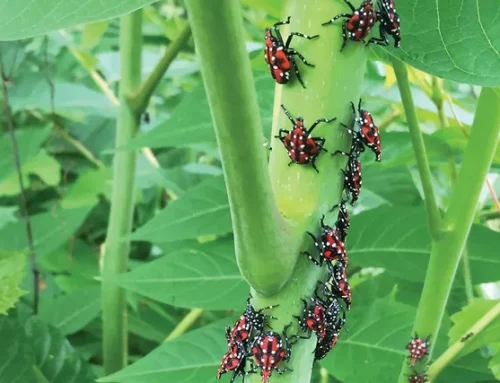
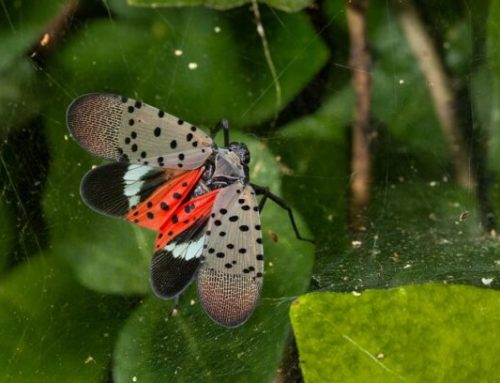
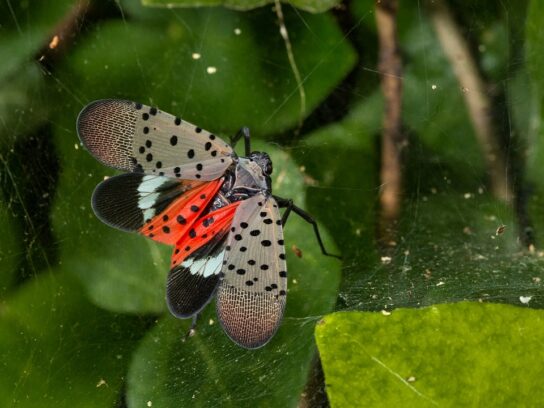
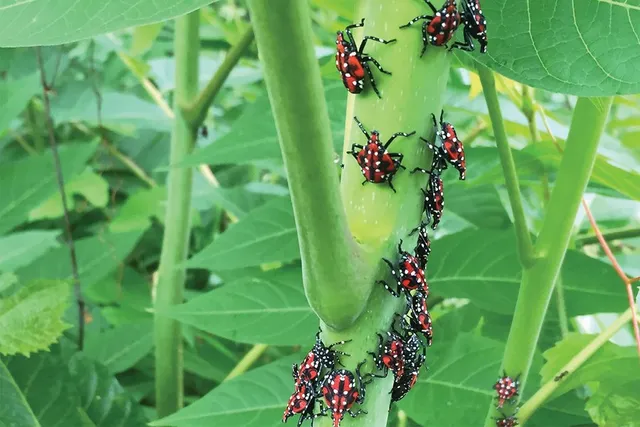
Effective spotted lanternfly treatment starts with understanding the insect’s yearly routine on your property. Females lay egg masses in fall, usually on bark, stone, and outdoor furniture. Those eggs hatch from late April into early May, and nymphs start feeding. Nymphs and adults drink sap from more than 70 plant species. By late summer, adults gather on the Tree of Heaven and lay new eggs.
Many homeowners try a single trick and hope the problem disappears quickly. Smart spotted lanternfly control methods work in layers, with each step aimed at one life stage. One egg mass can hold around 50 nymphs, so early action saves trouble. Many egg masses sit ten feet or higher, which makes them hard to reach. That is why a layered plan with good timing beats any one-time spray.
- Fall through early spring: egg masses sit quietly on bark and hard surfaces.
- Late April through June: nymphs hatch and feed on tender growth and shrubs.
- July through September: adults swarm, mate, and leave sticky honeydew on plants.
Which Treatments Give Homeowners Real Results This Season?
Plan your spotted lanternfly treatment around the life stage you can see on your trees. In winter and early spring, scraping egg masses costs almost nothing and works well. During nymph season, contact sprays can knock down small groups on shrubs and low branches. Adults need a different approach because they hop and fly between trees. Licensed professionals can apply systemic products to large trees that you cannot spray by hand.
Homeowners often ask how to control spotted lanternflies without harming the rest of their yard. Always read the product label and spray only the plants it lists. State guidance notes that contact products often need repeating every few days. Sticky bands are best avoided, because they also trap birds and helpful insects. Homemade mixes containing bleach should stay in the cabinet, since they can damage plants.
- Egg masses: scrape them into a bag with rubbing alcohol, then seal and discard it.
- Nymphs: apply labeled contact sprays to low plants and repeat as the label directs.
- Adults: focus on trees and consider professional systemic options for tall specimens.
Local Rules and Habits That Keep Infestations Down
The rules in spotted lanternfly NJ communities are stricter than most residents realize. Every county in the state sits under a quarantine meant to slow the spread. That means you should inspect vehicles, trailers, and outdoor gear before you travel. The state also asks residents to destroy any egg masses they find. These small habits protect neighboring yards, local farms, and nearby towns.
Solid spotted lanternfly prevention methods cost very little and pay off every year. Walk your property each winter and check bark, fences, and stored items for egg masses. Remove Tree of Heaven whenever you can, since adults are strongly drawn to it. Cutting alone often triggers regrowth, so ask a licensed professional about stumps. Steady effort across the seasons will beat any single big push.
- Inspect your vehicle before leaving a parking lot, work site, or wooded area.
- Scan trees and outdoor furniture for egg masses every winter before the hatch.
- Remove Tree of Heaven with guidance from a licensed professional who knows the method.
Mistakes That Waste Time and Money During Lanternfly Season
Many homeowners spray too early or too late, which wastes product and gives insects time to spread. Others treat a single tree while ignoring nearby shrubs, fences, and outdoor furniture where lanternflies also gather. Reapplying without reading the label can harm beneficial insects and the plants you want to protect. Overlooking a neighbor’s Tree of Heaven is another common error, since adults travel to the nearest favorite. Avoiding these missteps saves money and keeps your effort focused on steps that truly reduce numbers.
A simple monitoring routine helps you judge whether your efforts are working throughout the season. Check the same trees every week and note how many nymphs or adults you see. Falling counts mean your plan is working, while rising counts suggest it is time to adjust. Heavy infestations on tall or mature trees usually need professional equipment and proper application. Calling for help early protects valuable trees before sap loss and sooty mold take a serious toll.
Your 2026 Game Plan for Healthier Trees
Winning this fight comes down to timing and layered steps, which is the core of spotted lanternfly treatment and control in any yard. You now know what to do, from winter egg scraping through summer adult swarms. Some jobs, such as treating tall trees, still call for a trained professional. Sunlight Water & Us, led by Jason Motto, brings over 30 years of experience and honest advice. We are licensed, certified, and insured in both PA and NJ, and we offer free estimates.
Our team serves Morris, Somerset, Hunterdon, Mercer, Middlesex, Sussex, and Warren Counties in New Jersey. We treat egg masses, nymphs, and adults throughout the season to protect your landscape. Every plan fits your property, and we never require written contracts. That approach gives you clear answers and honest recommendations instead of pressure.
Visit https://sunlightwaterandus.com/ or call us today to book your free estimate.
FAQs:
When do lanternfly eggs hatch in New Jersey?
Eggs usually hatch from late April into early May across most of the state. Check low branches and shrubs then, because the tiny nymphs appear there first.
How many nymphs can one egg mass produce?
One egg mass can hold roughly 50 nymphs that emerge together in spring. That is why destroying a single mass in winter matters so much. Scrape every mass you can reach and seal it in rubbing alcohol.
Should I cut down a Tree of Heaven myself?
Cutting alone often triggers vigorous resprouting from the stump and surrounding roots. A licensed professional can explain how to treat the tree or stump correctly.
Does the honeydew from lanternflies hurt my plants?
The sticky residue can grow sooty mold on leaves, patios, and outdoor furniture. That mold blocks sunlight and slowly stresses the plants underneath it.
Do I need to inspect my car before leaving my New Jersey property?
Yes, because all of New Jersey is under a quarantine and these insects hitchhike easily. Check doors, wheel wells, and cargo areas before you drive away from the property.